|
Journalists know their work is critical to democracy, that transparency and checks on power are essential functions of a free country — so much so that journalism is regarded as the “Fourth Estate,” and we use dramatic phrases like “democracy dies in darkness.”
That can all sound a bit heady. But on Friday, I was hit with a real-life example of what we’re talking about — and fellow journalists and I dug our heels in to stand up for what’s right. Because I know readers like you depend on the reporting you get from The Sun.
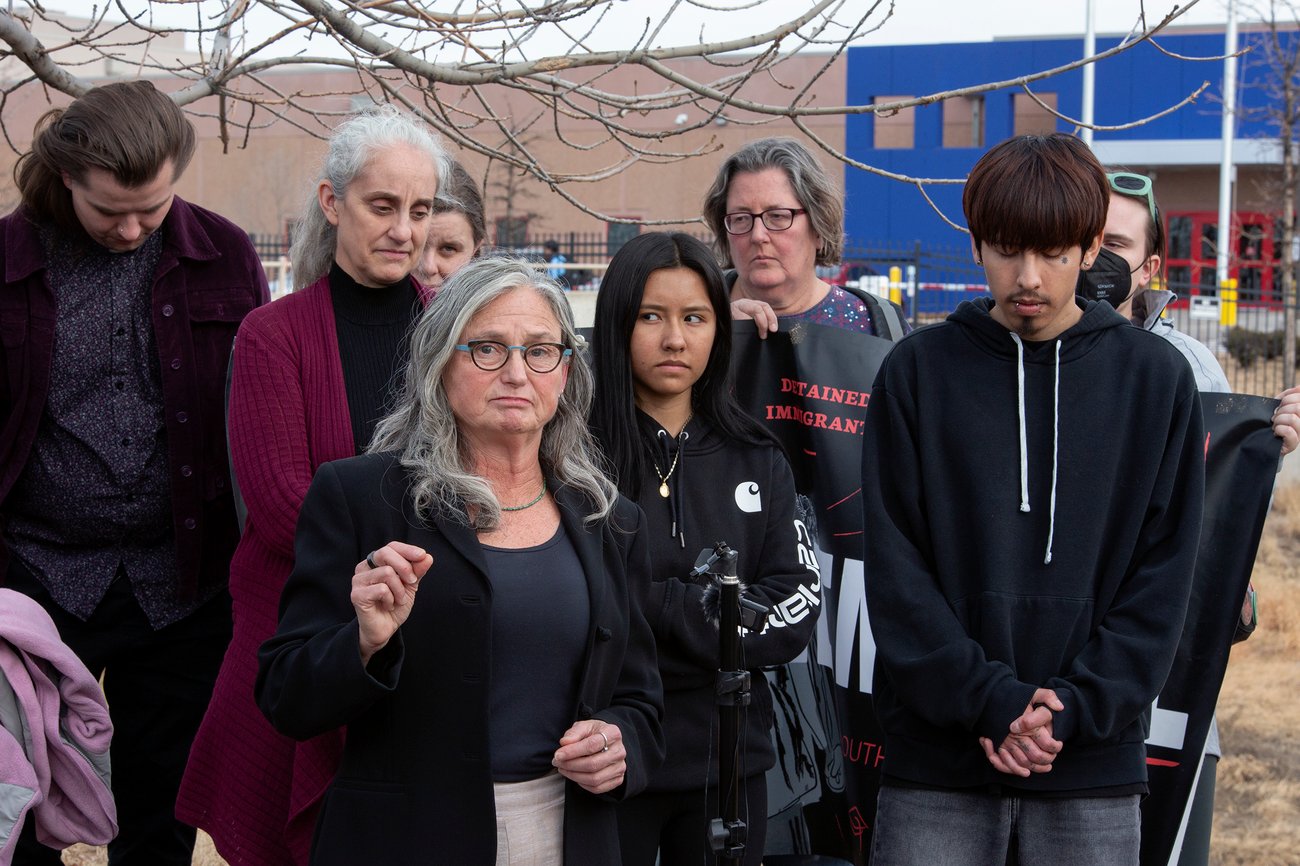
I went to the ICE detention center in Aurora to cover a court hearing for a well-known activist, an antagonist of the Trump administration, who has been held for nine months since immigration agents picked her up on her lunch break from Target.
I’ve covered court proceedings many times before, including inside this same detention center. But this time, when I said at the security checkpoint that I was a journalist, I was told the courtroom was full.
Journalists from Colorado Public Radio, The Denver Post, CBS Colorado and Colorado Newsline were all told the same.
Officials from GEO Group, the private contractor that runs the detention center for the government, told us they had verbal orders from U.S. Immigration and Customs Enforcement limiting who could enter the courtroom for “safety and security” concerns.
Courtrooms are public under the First Amendment. Journalists have the right to enter them, concerned citizens have the right to enter them, you have the right to enter them. Judges — not government agencies — can close them, but only in rare cases such as protecting minors.
That did not stop detention center employees from trying to close the door. Unfortunately for them, we weren’t about to go quietly.
The judge presiding over the hearing, along with the local U.S. Attorney’s Office, were eventually informed by an immigration lawyer of the standoff in the lobby, which is likely why we were finally allowed to enter, two hours later. The experience felt surreal, as if we were trying to cover the news in another country.
I, along with my fellow journalists, could have left when our rights were violated. We could have shrugged and gone home. But we didn’t. We fought for our rights — and for yours, too.
If journalists aren’t allowed in the courtroom, who is there to observe and inform the public about how justice is served?
Government agencies may not want you to know what’s going on inside courtrooms, but we do. Your membership supports independent journalism. You make it possible for us to stand up for what’s right. Thank you. |